Hydromulching in Tweed Heads
Get a FREE Quote in Tweed heads
Thank you for contacting Environment Restoration Solutions.
We will get back to you as soon as possible.
Oops, there was an error sending your message.
Please try again later.
Environmental care & practical earthworks solutions.
Fast Vegetation for Disturbed Land
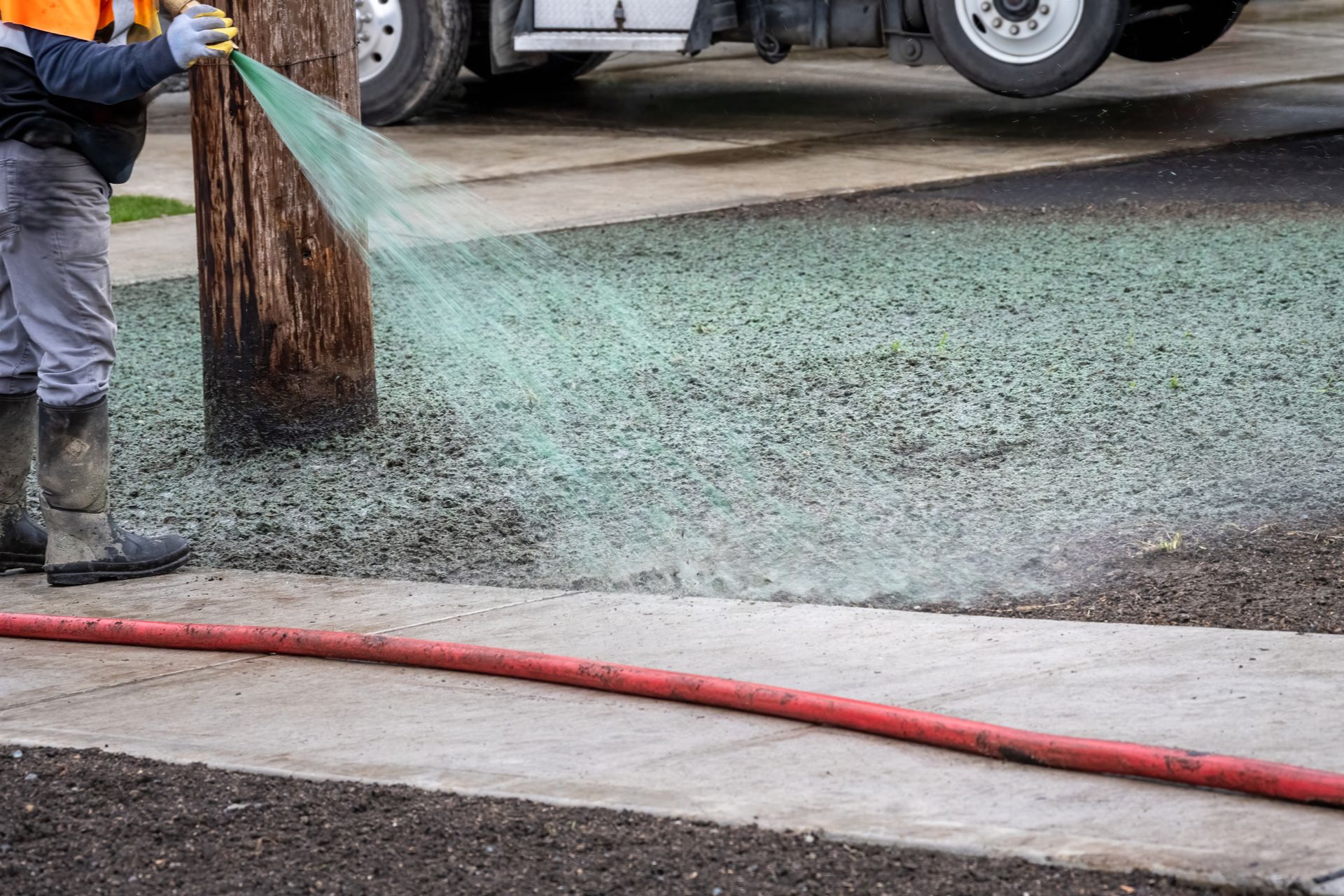
Restoring vegetation quickly after land disturbance can make a major difference to soil stability. Exposed ground on construction or restoration sites can lead to erosion and sediment run-off if it is left untreated. Environment Restoration Solutions provides dependable hydromulch in Tweed Heads to help contractors, councils and landowners establish vegetation across disturbed land. Hydromulching involves spraying a mixture of mulch, seed and nutrients that forms a protective layer over the soil surface. This layer helps retain moisture and supports fast germination while shielding the soil from rainfall impact.
The process is well-suited to large areas and uneven ground where traditional seeding can be difficult. Many projects across Tweed Heads rely on hydromulching to stabilise land after earthworks or clearing. As vegetation grows, root systems strengthen the soil and reduce erosion risks. Hydromulching helps restore ground cover while supporting long-term land management.
To organise professional hydromulch in Tweed Heads, contact us on 0400 525 426.
Frequently Asked Questions
What is hydromulching, and how does it work on exposed soil?
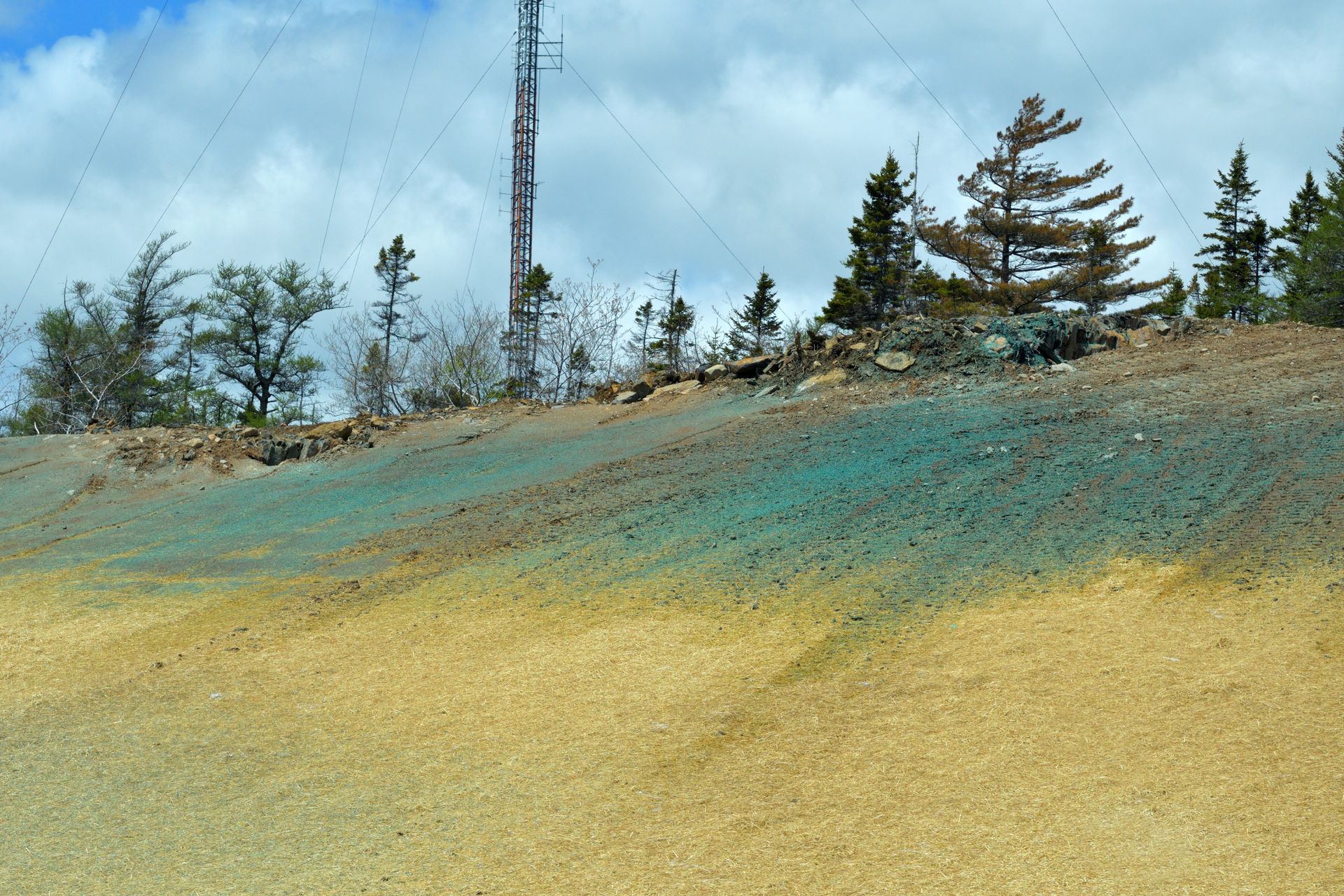
Hydromulching is a method used to establish vegetation on exposed or disturbed soil by spraying a mixture of seed, mulch, water and nutrients across the ground. The slurry forms a protective layer that helps seeds stay in place and maintain contact with the soil. This layer also protects the surface from rainfall impact and wind, which can otherwise move loose soil. As the seeds germinate, the mulch helps retain moisture and creates favourable growing conditions. Over time, developing vegetation begins strengthening the soil and reducing erosion.
How can hydromulching contribute to sustainable land management practices?
Hydromulching supports sustainable land management by helping restore vegetation on land that has been disturbed by construction or environmental events. Establishing plant growth helps stabilise soil and reduce the movement of sediment into surrounding waterways. Vegetation also improves soil structure over time by adding organic matter and strengthening root systems within the ground. These processes help maintain healthier land conditions while reducing the need for ongoing erosion control measures. By encouraging natural ground cover to return, hydromulching supports long term land recovery.
Why is hydromulching commonly used on large development sites?
Large development sites often contain extensive areas of exposed soil after clearing or earthworks have taken place. Hydromulching allows these areas to be treated quickly and evenly using specialised spraying equipment. This approach helps establish vegetation across broad surfaces where traditional seeding methods may be slow or difficult to apply. The protective mulch layer also reduces erosion while plants begin to grow. For large sites, hydromulching provides an efficient way to stabilise soil and restore ground cover during project development.
Protecting Soil While Plants Grow
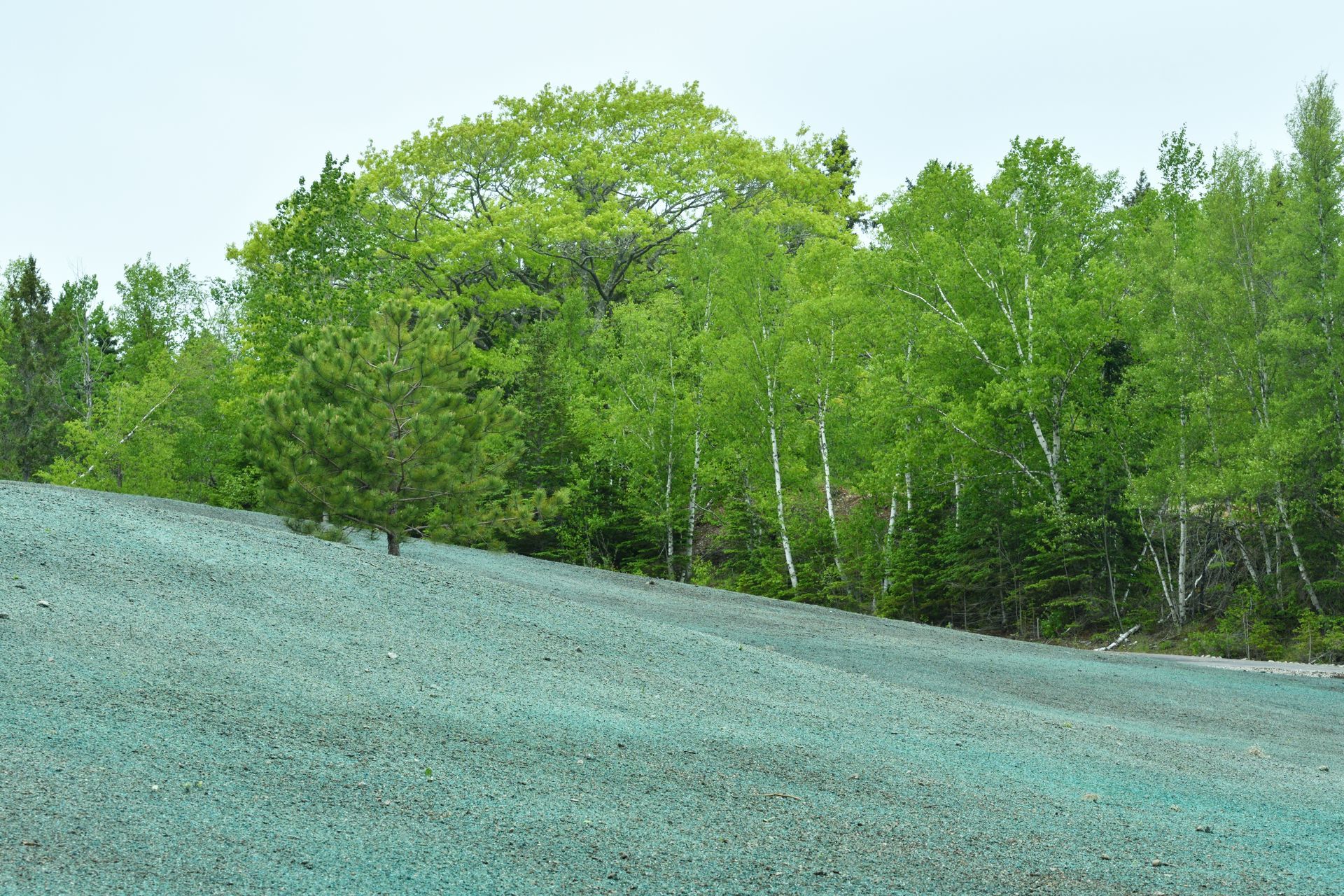
Hydromulching helps protect soil during the early stages of vegetation growth when the ground is most vulnerable. The mulch layer acts as a protective blanket that reduces rainfall impact and slows surface water movement. This allows seeds to germinate in more stable conditions and improves the chances of consistent plant growth. As vegetation develops, roots begin binding soil particles together and strengthening the ground structure. This natural reinforcement helps prevent soil movement during heavy rainfall. H
Hydromulching is commonly used on slopes, roadside batters and construction sites across Tweed Heads where exposed soil needs protection. The spray-based application allows large or difficult areas to be treated efficiently. Even coverage encourages vegetation to establish across the entire site. Over time, healthy plant growth provides long-term protection for the soil surface. Hydromulching offers a practical approach to restoring vegetation and stabilising land across Tweed Heads.