Hydromulch in Australia
Get a FREE Quote
Thank you for contacting Environment Restoration Solutions.
We will get back to you as soon as possible.
Oops, there was an error sending your message.
Please try again later.
Environmental care & practical earthworks solutions.
Hydromulch for Fast Ground Coverage
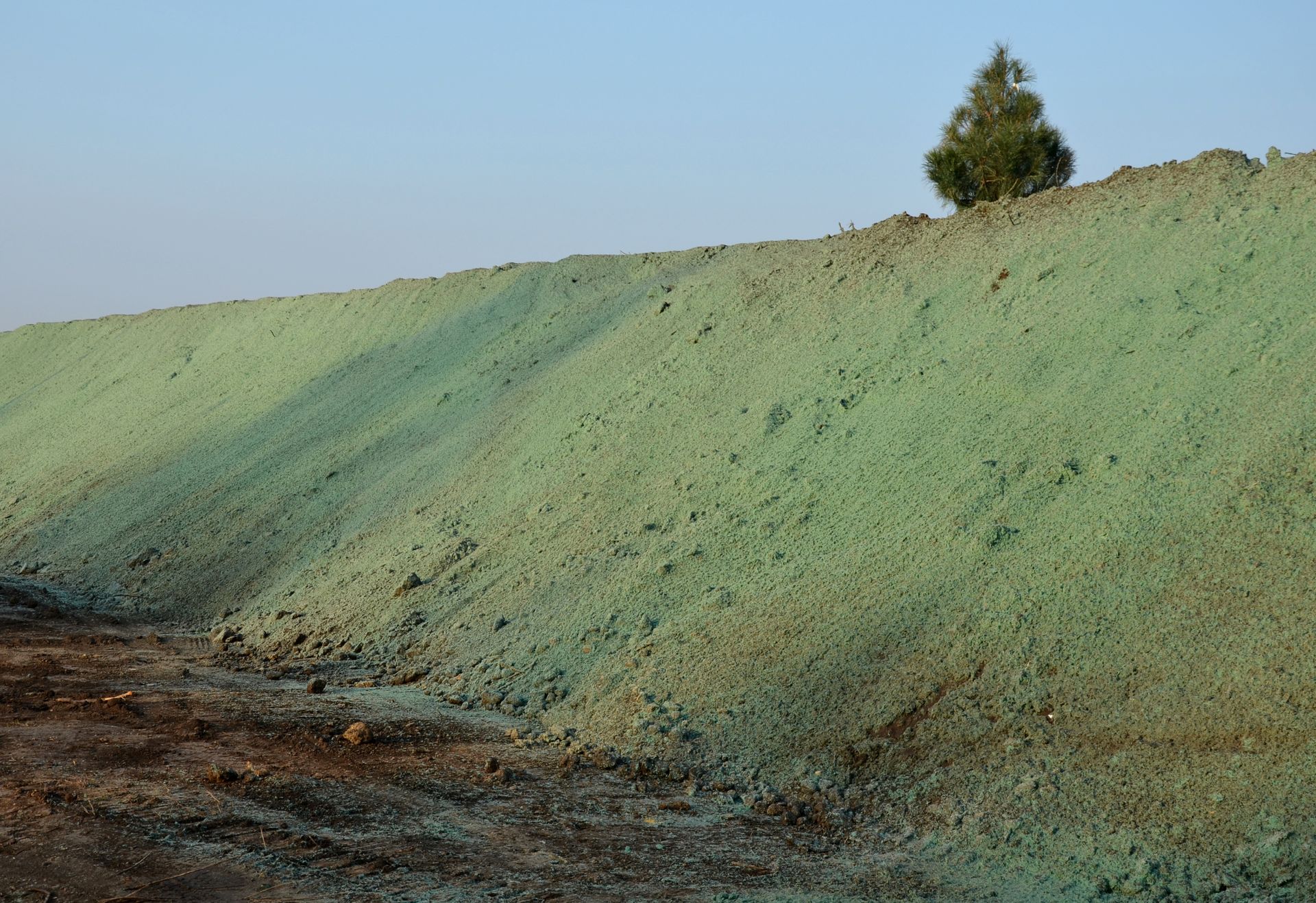
Bare soil on construction or restoration sites can quickly lead to erosion, dust and unstable ground conditions. At Environment Restoration Solutions, we provide professional hydromulch across Australia to help establish vegetation quickly and protect exposed land. Hydromulching involves spraying a carefully prepared mixture of mulch, seed and binding agents across the soil surface, creating a protective layer that supports rapid plant growth. This method helps stabilise soil, improve moisture retention and reduce erosion while new vegetation establishes.
Hydromulching offers an efficient solution for large or difficult-to-access areas. To discuss hydromulching services for your site, contact our team today on 0400 525 426.
Frequently Asked Questions
What is hydromulching, and how does it work?
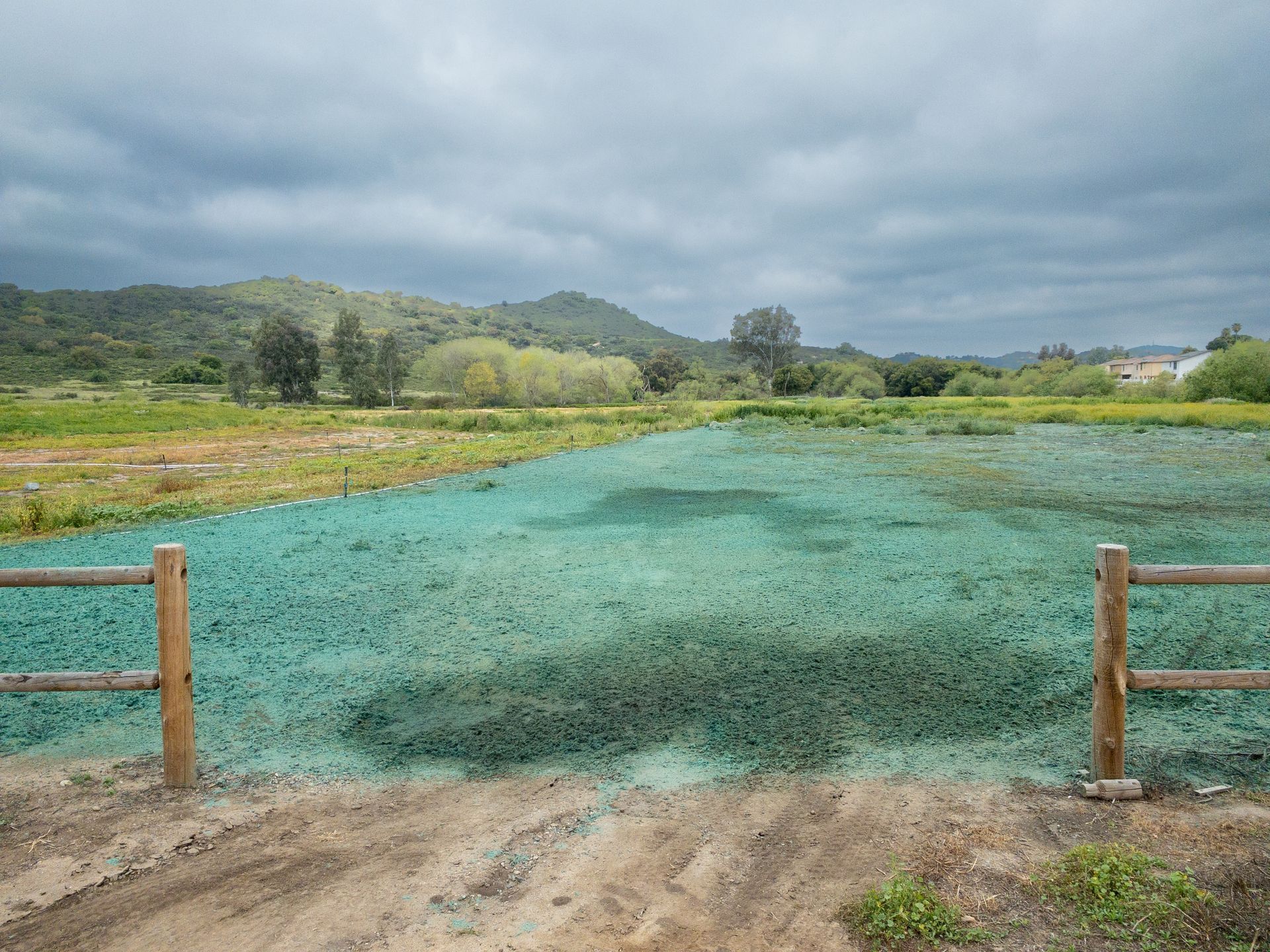
Hydromulching is a revegetation technique that involves spraying a slurry mixture of mulch, seed, fertiliser and water onto soil surfaces. This mixture forms a protective layer across the ground that helps retain moisture and protect seeds while they germinate. The mulch acts as a temporary blanket that shields soil from wind and rainfall while supporting plant growth. Once vegetation establishes, plant roots anchor the soil and provide longer-term stability. Hydromulching is commonly used on construction sites, roadside embankments and land restoration projects where rapid vegetation coverage is needed.
Why is hydromulching used on construction sites?
Construction sites often involve exposed soil after excavation or land clearing. Without ground cover, these surfaces are vulnerable to erosion and sediment runoff. Hydromulching provides fast coverage that protects the soil while vegetation becomes established. The method allows large areas to be treated efficiently, making it ideal for projects that require quick stabilisation after earthworks. It also helps reduce dust, improve soil moisture retention and support environmental compliance requirements.
How does hydromulching help control erosion?
Hydromulching helps control erosion by creating a protective barrier across the soil surface. The mulch layer absorbs rainfall impact and reduces the speed of surface water runoff, preventing soil particles from being washed away. As vegetation grows, plant roots bind the soil together, further strengthening the ground structure. This combination of immediate surface protection and long-term vegetation growth makes hydromulching an effective erosion-control method.
How Hydromulching Supports Revegetation
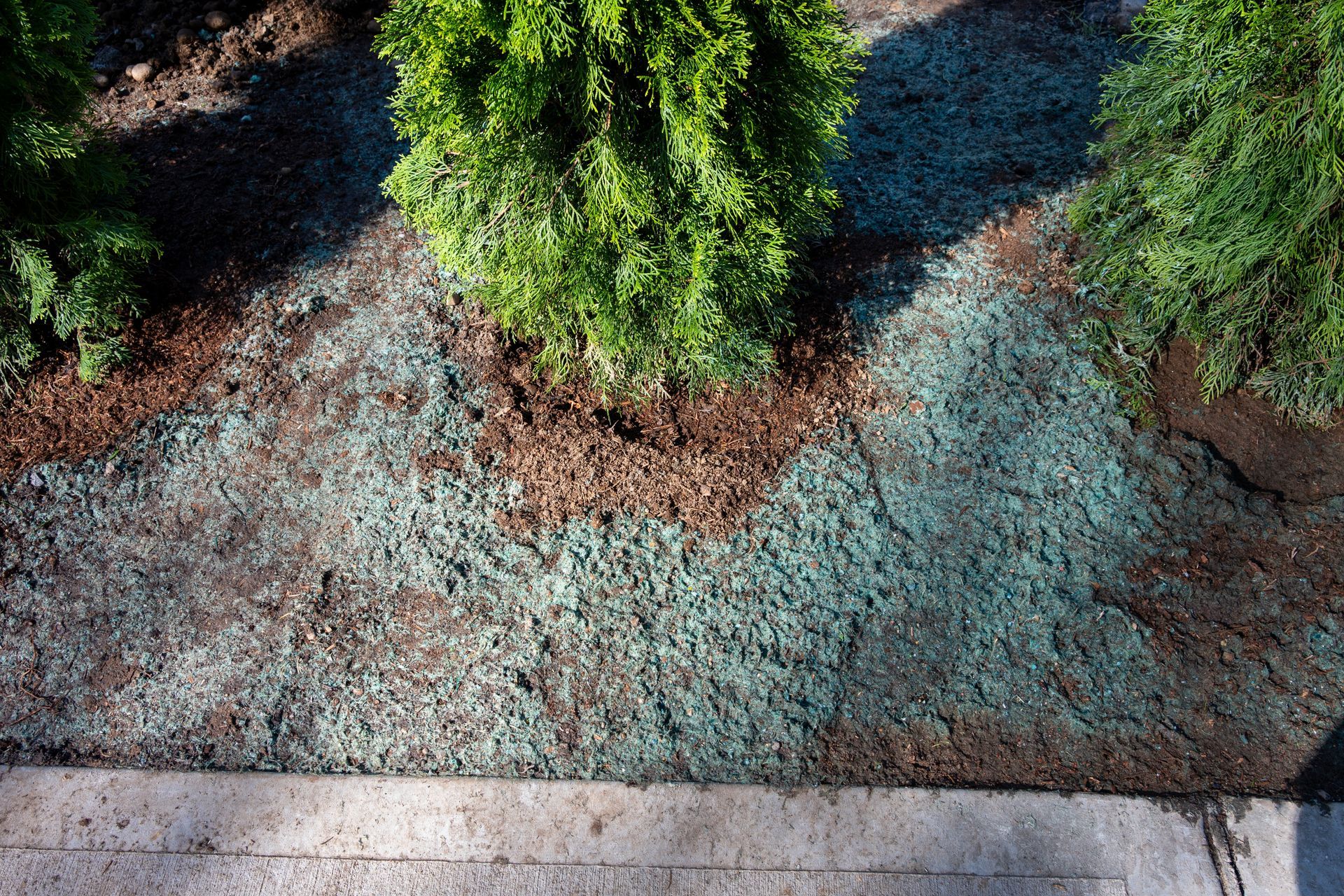
Hydromulching is widely used in construction and environmental restoration projects because it provides both soil protection and vegetation establishment in a single process. The mulch layer protects the soil surface from wind and rain while helping retain moisture needed for seed germination. As vegetation grows, plant roots begin strengthening the soil structure and reducing long-term erosion risk. This makes hydromulching particularly effective on slopes, disturbed ground and areas where traditional seeding methods may struggle. The result is faster ground cover and improved site stability.