Drone Surveys in Australia
Get a FREE Quote
Thank you for contacting Environment Restoration Solutions.
We will get back to you as soon as possible.
Oops, there was an error sending your message.
Please try again later.
Environmental care & practical earthworks solutions.
Drone Surveys for Accurate Site Insights
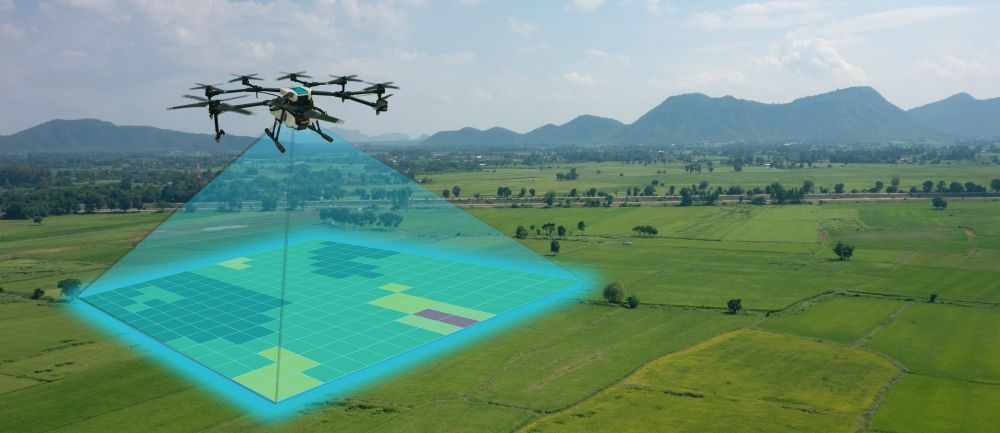
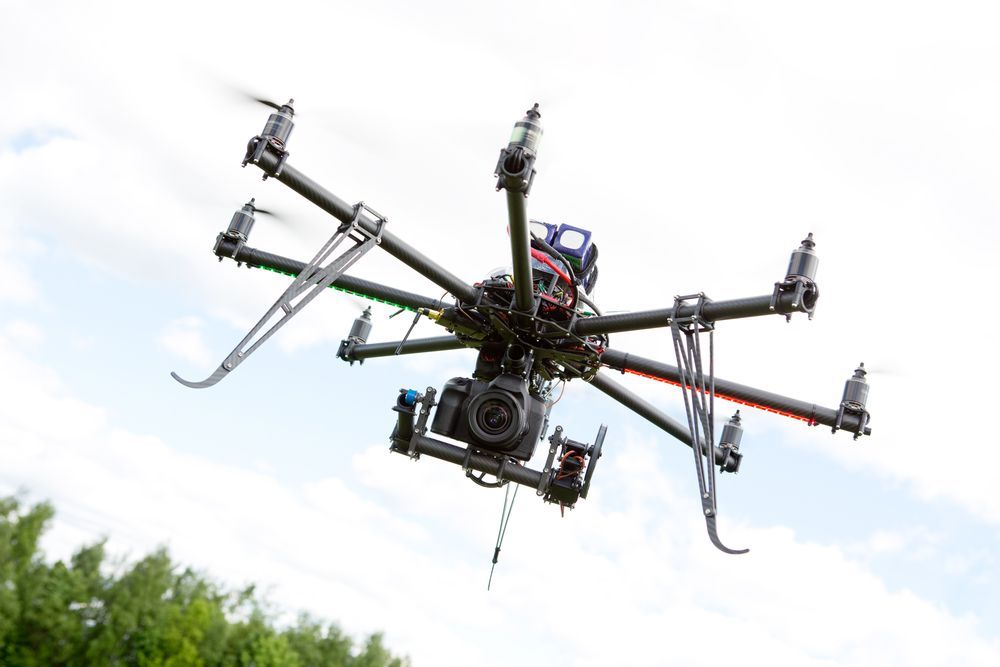
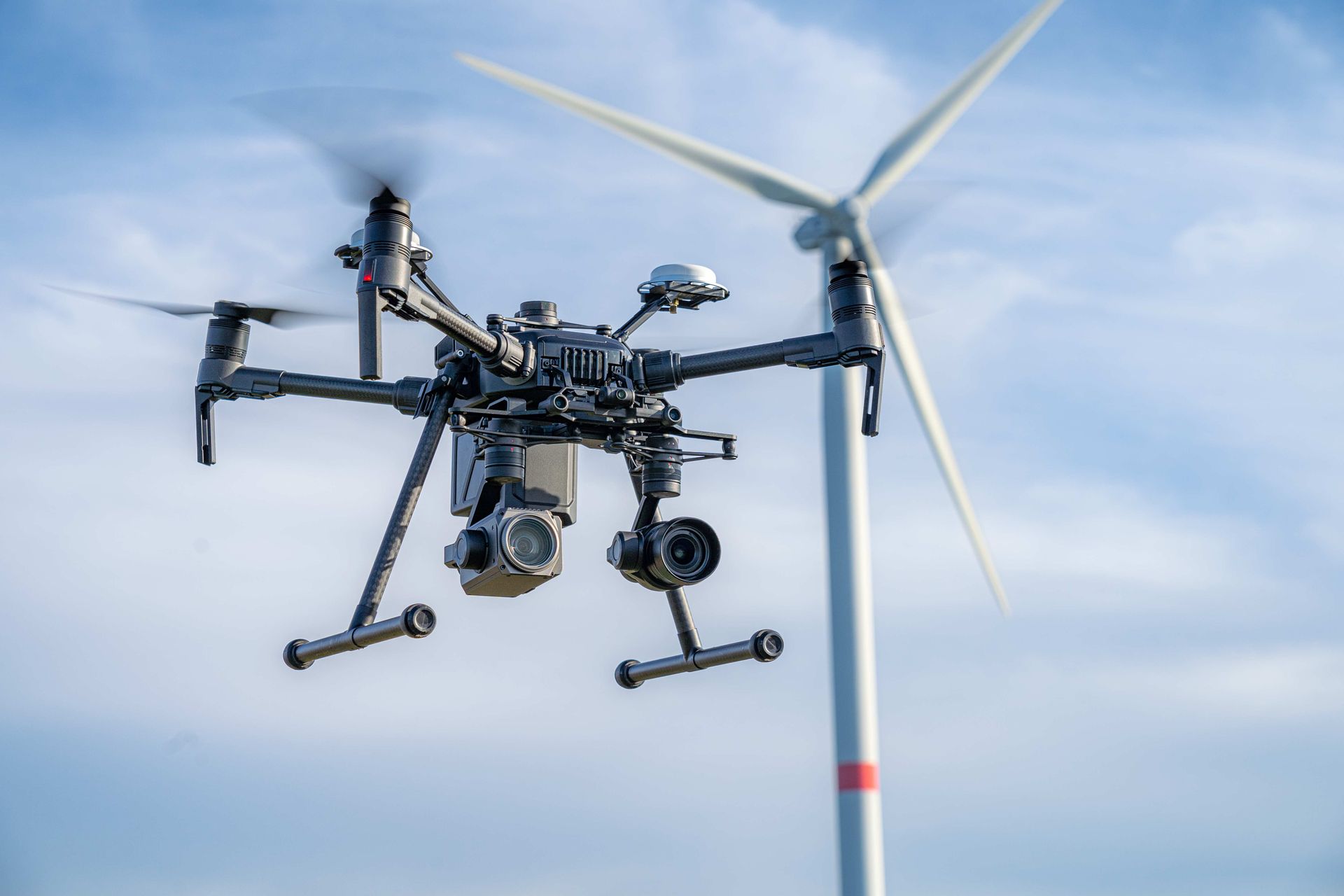
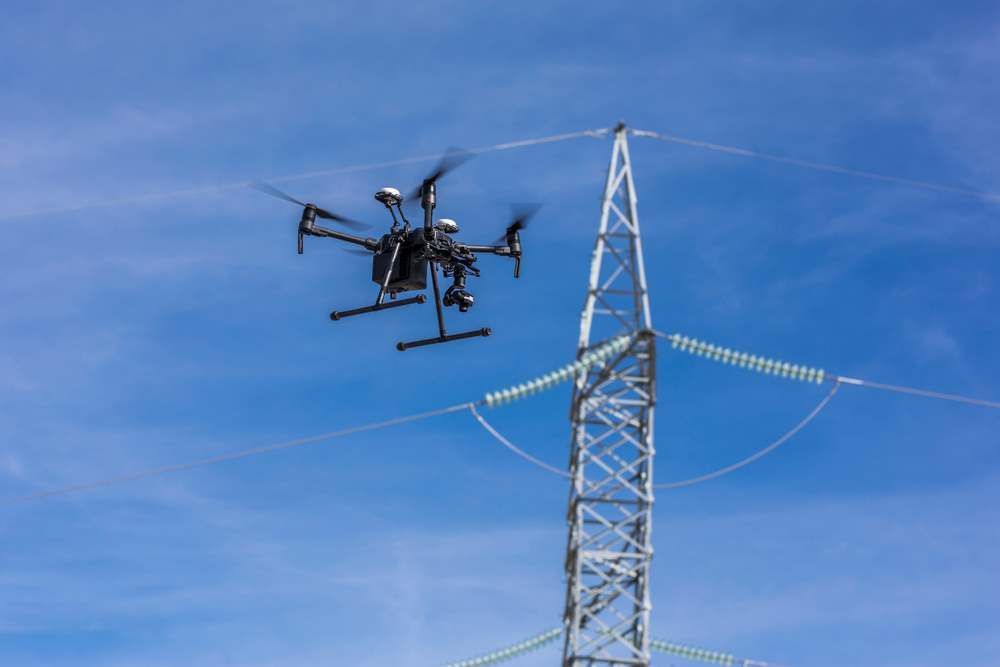
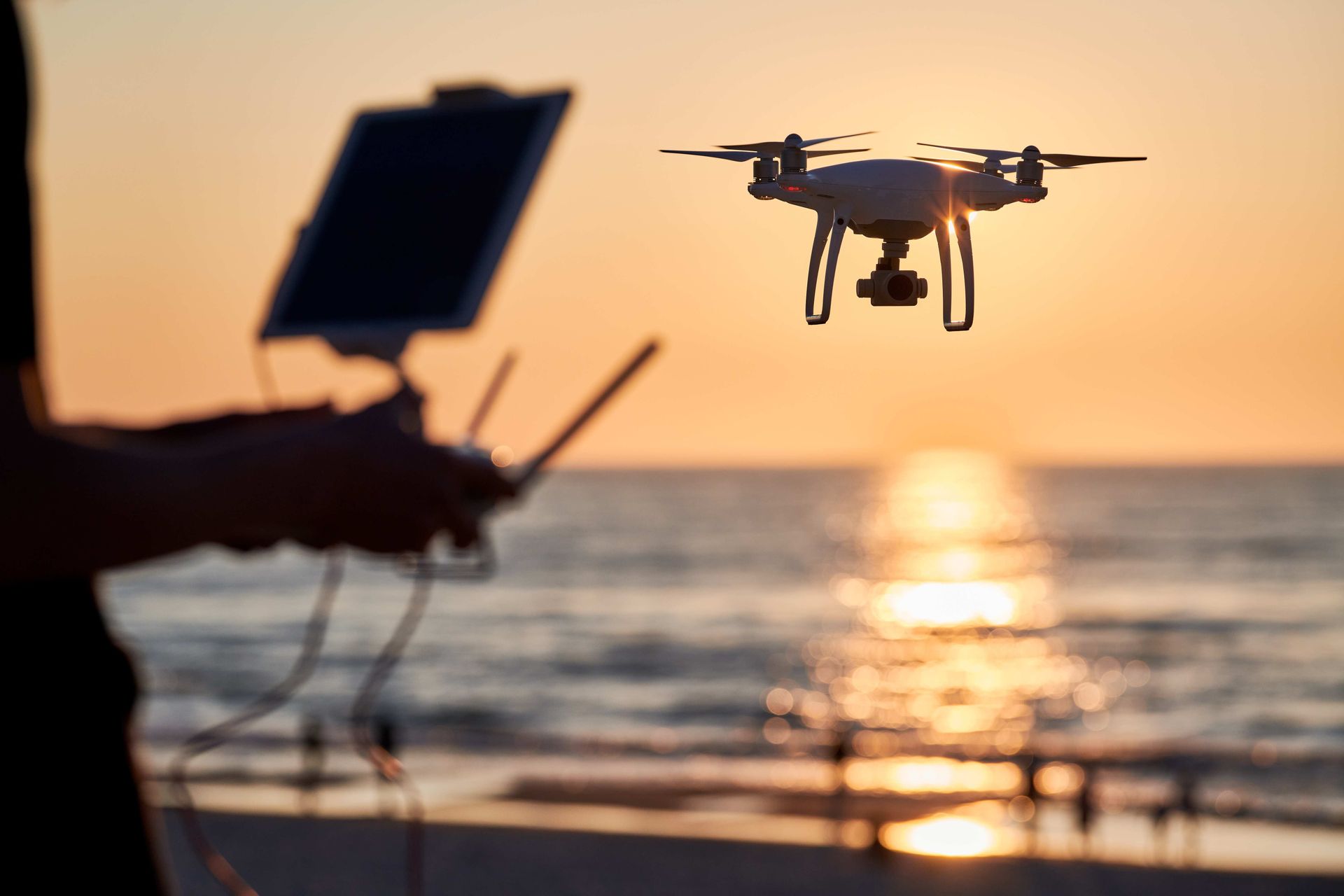
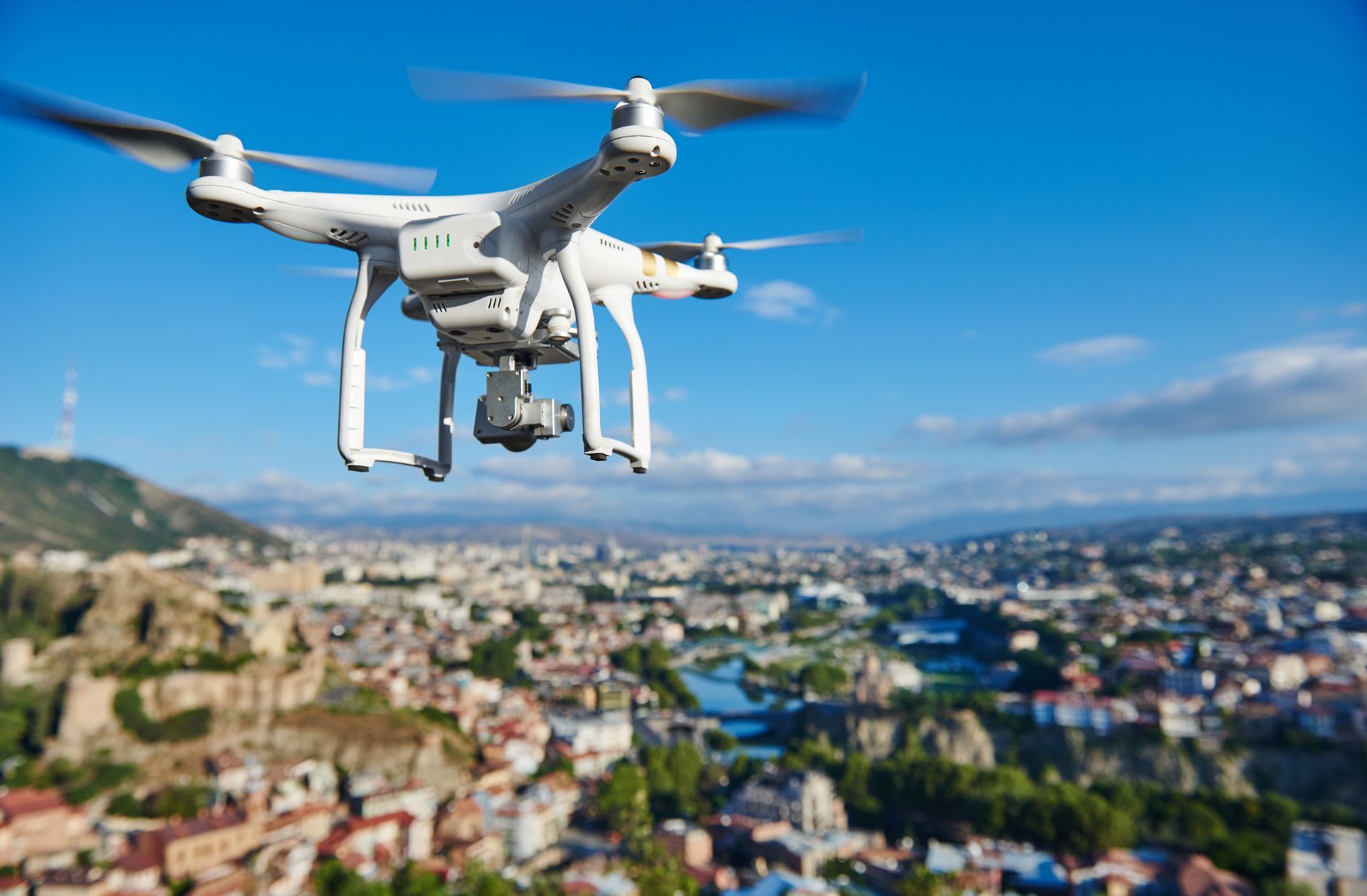
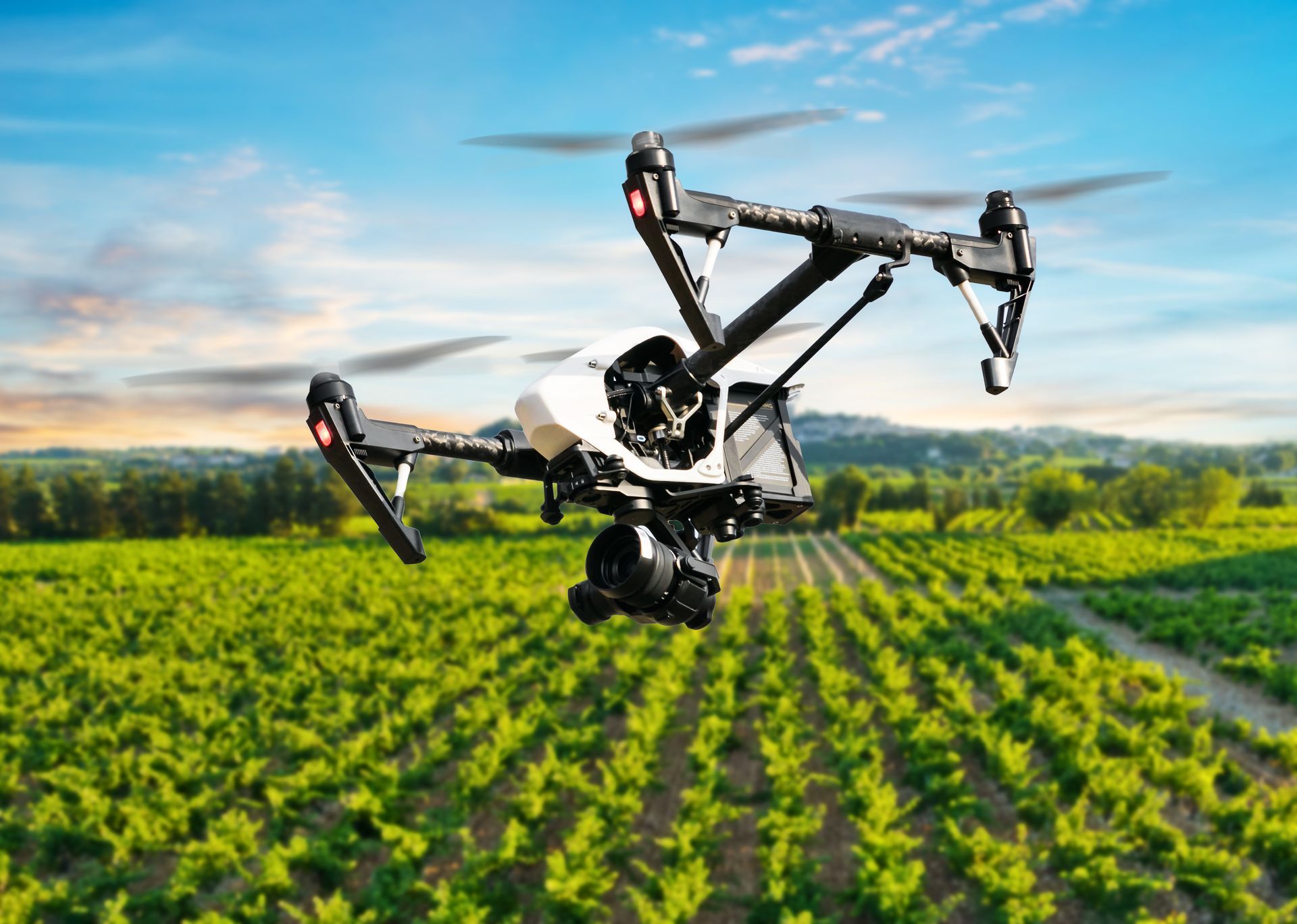
Most drone operators can capture aerial data — few can interpret it through an erosion and soil science lens. Environment Restoration Solutions combines CASA-certified drone surveying with CPESC and RSP-ESC expertise, giving construction companies, councils and landowners site data that's not just accurate, but genuinely useful for managing erosion, soil stability and environmental risk. Operating under a CASA Remotely Piloted Operator Certificate, our team uses advanced equipment including the DJI Matrice 4E, Mavic 3E and DJI M350 fitted with L2 LiDAR and an H2 thermal camera to deliver survey data that feeds directly into practical, on-ground erosion and land management outcomes.
Ready to see your site data differently? Environment Restoration Solutions delivers CASA-certified drone surveys Australia-wide. Contact our team on 0400 525 426 to discuss your project.
Frequently Asked Questions
What are drone surveys used for in construction and environmental projects?
Drone surveys are used to capture aerial imagery and site data that supports planning, monitoring and environmental management. Construction and environmental projects often cover large areas that can be difficult to assess from ground level alone. Drone technology allows high-resolution images and mapping data to be collected quickly, providing a clearer understanding of terrain, vegetation and surface conditions. This information can assist with site assessments, project planning and monitoring changes across the landscape during different stages of development or restoration.
Why are drone surveys useful for large or difficult sites?
Large construction sites, rural properties and restoration areas can be difficult to inspect thoroughly from the ground. Drone surveys provide a broader aerial perspective that reveals details that may otherwise go unnoticed. Uneven terrain, erosion channels and drainage patterns become easier to identify when viewed from above. This aerial overview allows project managers and environmental specialists to better understand how the land behaves and where attention may be required.
How do drone surveys help with environmental monitoring?
Drone surveys can help track environmental conditions over time by capturing repeat imagery of the same location. This allows changes in vegetation coverage, soil movement or erosion patterns to be observed across different stages of a project. Monitoring these changes helps identify potential environmental risks early and supports responsible land management decisions. Aerial imagery also provides visual records that can be used for environmental reporting or planning purposes.
Erosion, Sediment Modelling & Monitoring
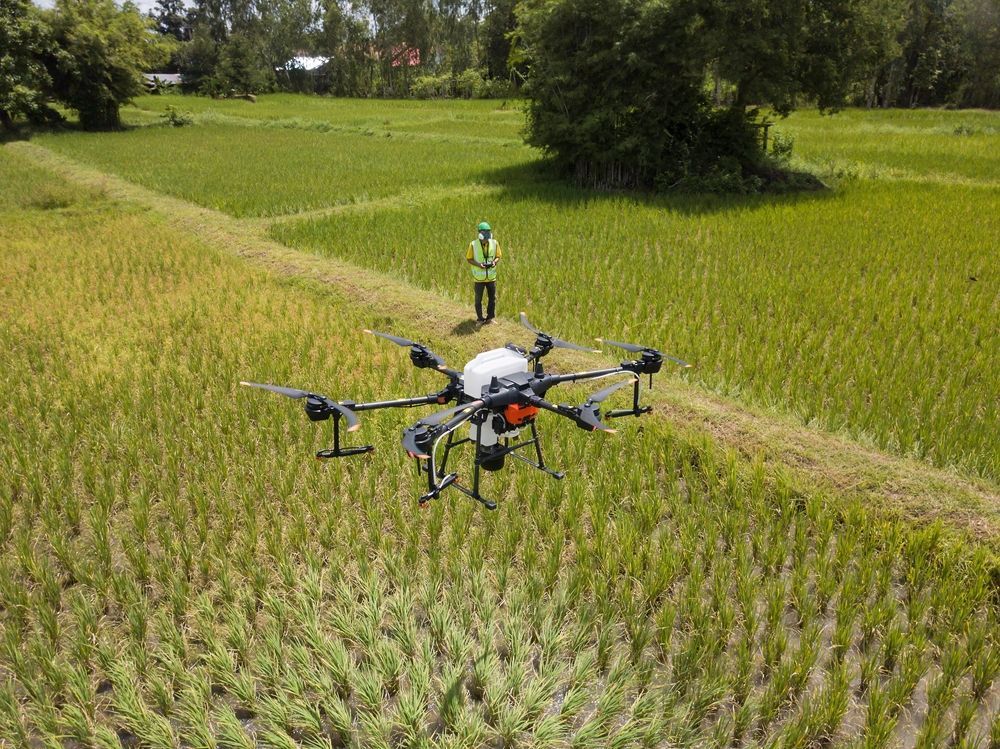
Regular drone surveys track erosion and sediment control performance across a site, capturing changes in soil movement, drainage patterns and control effectiveness. Combined with our CPESC expertise, this data helps identify emerging risks early, supporting timely intervention and stronger compliance with erosion and sediment control plans throughout a project's duration.
Stockpile & Volumetric Surveys
Our drone surveys generate accurate volumetric data for stockpiles, cut and fill areas, and material movement across a site. This supports better planning, progress tracking and reporting, giving construction teams reliable figures for earthworks quantities without the time and access limitations of traditional ground-based survey methods.
Site Progress Monitoring
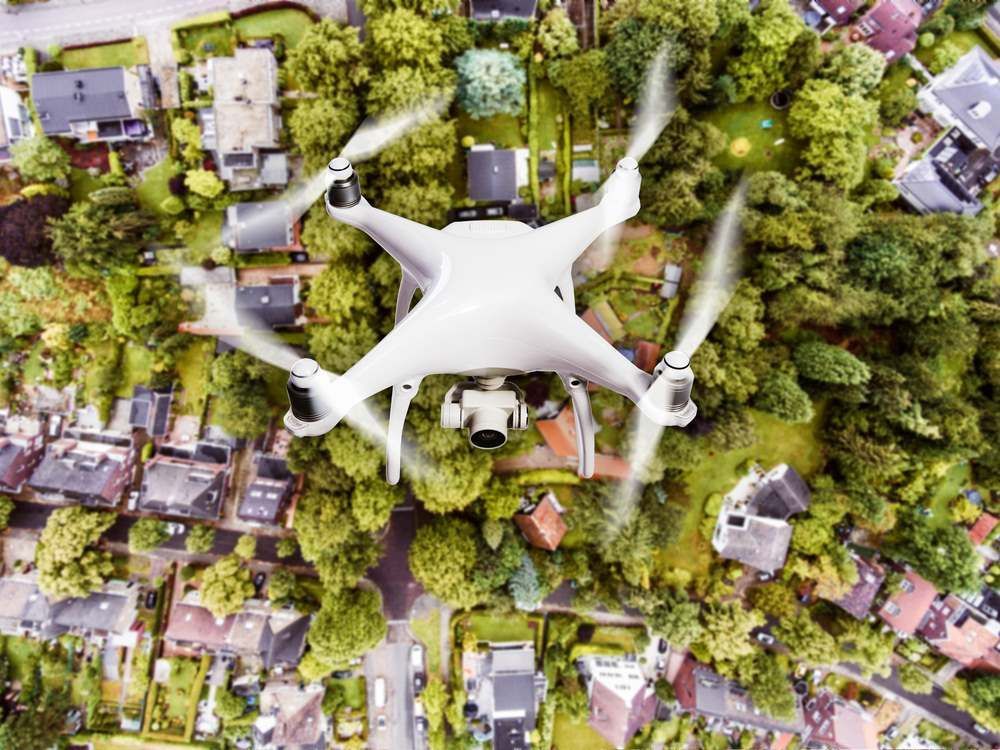
Aerial surveys captured at regular intervals provide a clear visual record of site progress, from initial earthworks through to project completion. This data supports project reporting, stakeholder updates and internal planning, giving construction companies and councils an accurate, time-stamped view of how a site is developing.
Vegetation & Revegetation Mapping
Drone surveys help track vegetation cover and revegetation success across disturbed or rehabilitated sites. By capturing detailed aerial data over time, we help identify areas of strong growth or ongoing bare ground, supporting more targeted revegetation efforts and better long-term land stabilisation outcomes.
Contour & 3D Terrain Modelling
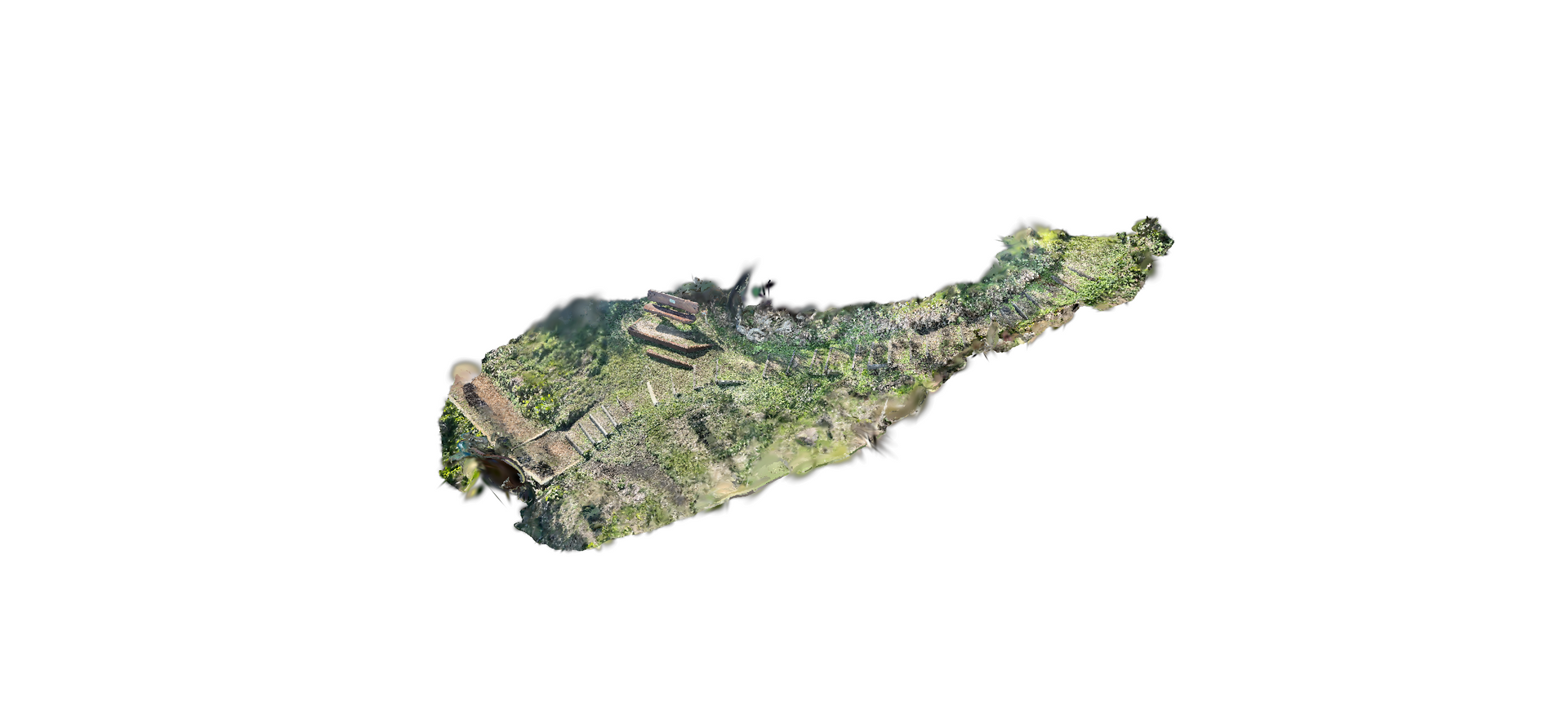
Using L2 LiDAR technology, we produce detailed contour maps and 3D terrain models that capture accurate elevation and landform data. This supports drainage design, erosion risk assessment and site planning, giving project teams a clear, data-backed understanding of how water and sediment are likely to move across a site.
Koala Surveys
Our drone-based koala surveys help identify habitat and activity across your site without disturbing the environment. Using high-resolution imagery, we spot koalas and key habitat trees efficiently, supporting environmental approvals and land management decisions. It's a non-invasive way to gather accurate data for development, conservation or compliance projects.
Fauna Spotting
Drone-based fauna spotting gives you a clear picture of wildlife activity across your site, without the disruption of ground surveys. Our team captures detailed aerial footage to identify species presence and movement patterns, supporting environmental assessments and land management planning. It's a practical, low-impact way to understand what's living on your land.
Thermal Imaging
Our thermal imaging surveys use heat-detection technology to identify wildlife, moisture issues or ground anomalies that aren't visible to the naked eye. Flown day or night, thermal drones help pinpoint fauna activity, detect water ingress or support environmental monitoring across your site. It's a valuable tool for projects needing deeper insight.
Drone
Handheld