Soil Stabilisation in Australia
Get a FREE Quote
Thank you for contacting Environment Restoration Solutions.
We will get back to you as soon as possible.
Oops, there was an error sending your message.
Please try again later.
Environmental care & practical earthworks solutions.
Soil Stabilisation for Stronger Ground Conditions
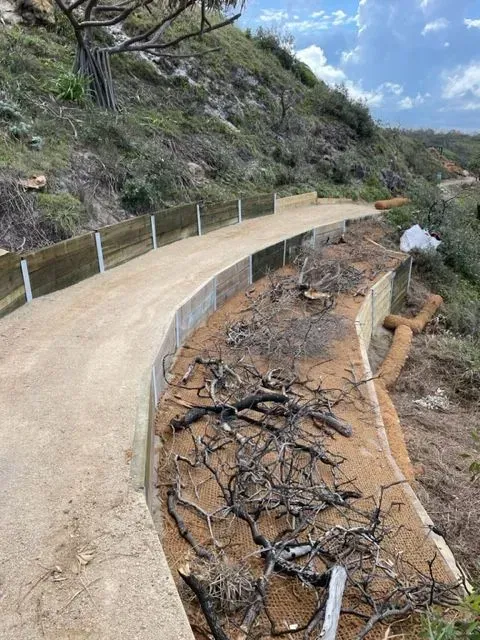
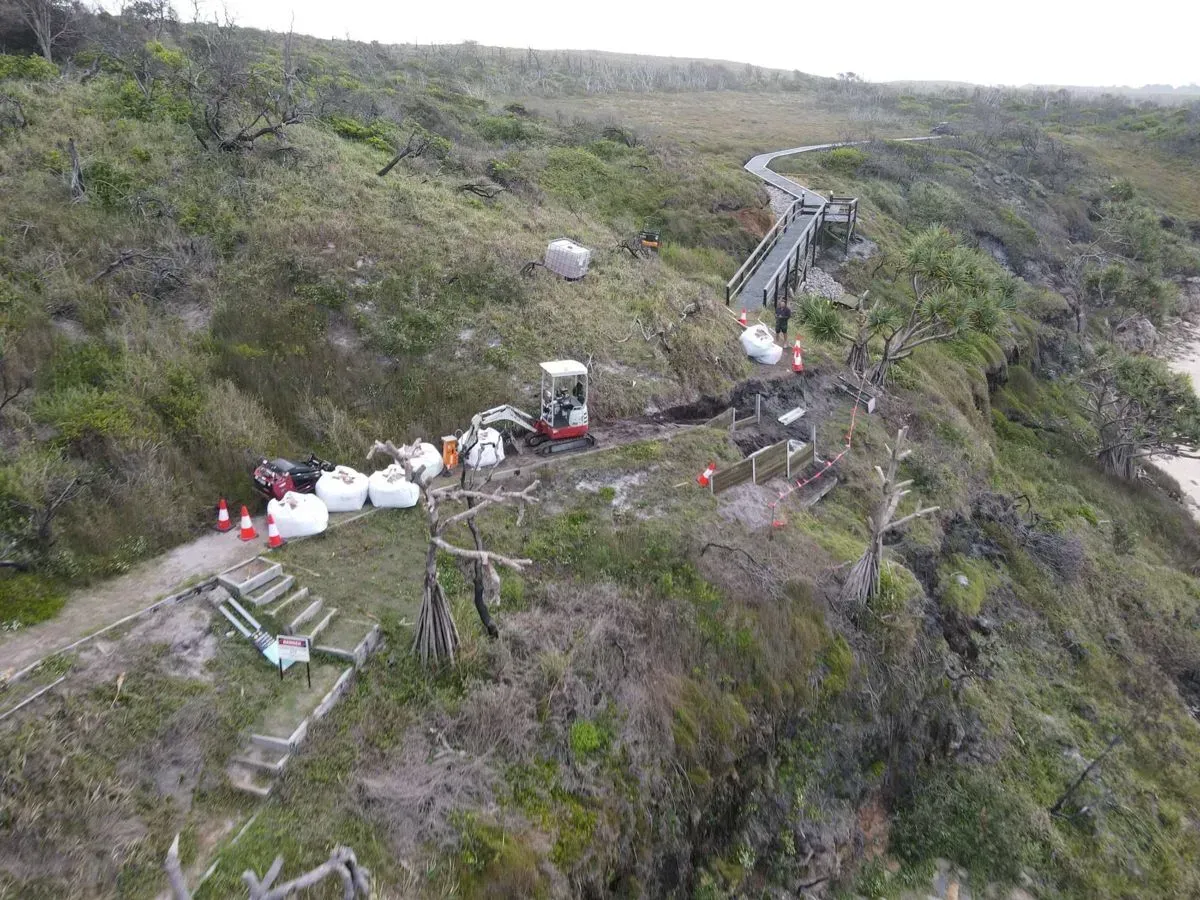
Unstable ground can quickly slow down construction or environmental restoration projects, particularly on sites affected by erosion, poor soil structure or water runoff. At Environment Restoration Solutions, we provide professional soil stabilisation across Australia, supported by practical soil science knowledge to improve ground strength and long-term site performance. By understanding how soil behaves under different environmental and construction conditions, we apply stabilisation methods that strengthen the soil structure, reduce erosion and create a more reliable base for development or restoration work.
Applying soil science principles helps ensure the ground performs as expected across a wide range of site conditions. To discuss soil stabilisation services for your project, contact our team on 0400 525 426 for practical advice and a free quote.
Frequently Asked Questions
What is soil stabilisation used for in construction and environmental projects?
Soil stabilisation is used to strengthen weak or unstable ground so that it can support construction, infrastructure or land restoration activities. Construction sites often involve disturbed soil that can shift or erode when exposed to rainfall, heavy machinery or ongoing development work. Stabilisation techniques improve the soil’s strength and structure, allowing it to support foundations, roads, access tracks or landscaping. Environmental restoration projects also rely on stabilisation to control erosion and help vegetation establish successfully. By improving soil stability, projects can move forward with greater safety and long term durability.
Why does soil sometimes need stabilisation before construction begins?
Some soil types naturally lack the strength required to support building or infrastructure work. Clay soils may expand or shrink depending on moisture levels, while sandy soils may shift easily when disturbed. Construction activity can further weaken soil by removing vegetation or compacting ground surfaces. Stabilisation helps correct these issues by improving soil structure and reducing movement. Strengthened soil provides a more stable base for machinery, foundations and site access, reducing the risk of structural issues or erosion problems later in the project.
How does soil stabilisation help control erosion on disturbed land?
Disturbed soil is highly vulnerable to erosion, particularly during heavy rainfall or when exposed to wind. Without stabilisation, loose soil particles can wash away or move across a site, causing sediment runoff and environmental damage. Stabilisation strengthens the soil structure so that it holds together more effectively. This makes it harder for water or wind to displace soil particles. Stabilised ground also helps vegetation establish more easily, which further protects the soil surface and reduces long term erosion risks.
Soil Conditions & Site Stability
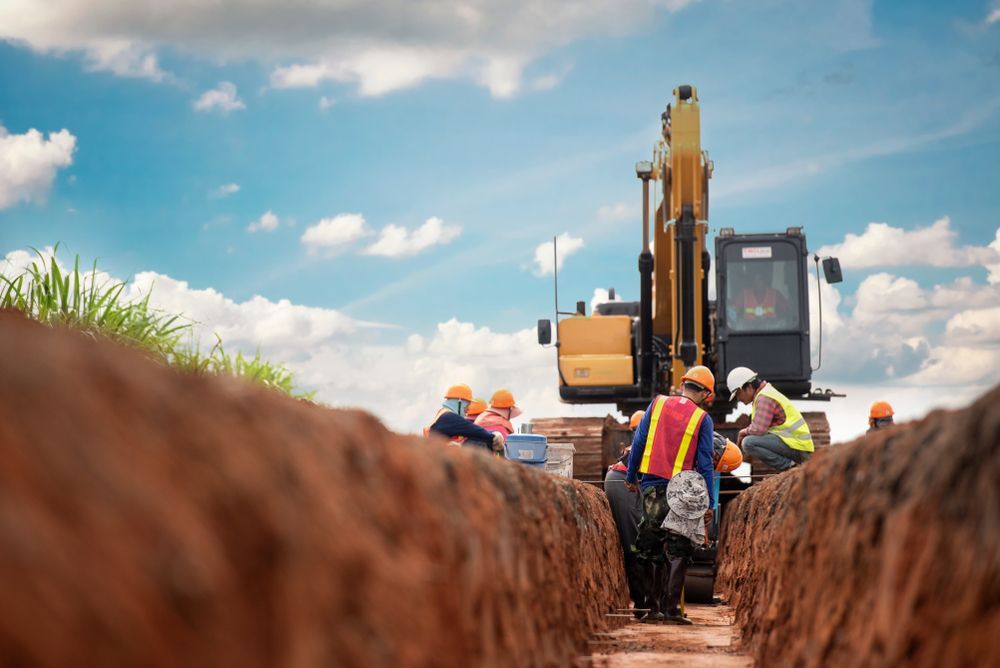
Soil conservation focuses on protecting land from erosion and sediment movement while maintaining long-term ground stability. Disturbed soils on construction and earthworks sites can quickly degrade without proper management, especially during rainfall. As a Certified Professional in Erosion and Sediment Control (CPESC) and Registered Soil Practitioner - Erosion & Sediment Control (RSP-ESC), we apply recognised practices to manage these risks through careful planning and site-specific strategies. This may include controlling water flow, stabilising exposed areas and implementing sediment control measures to protect surrounding environments. Effective soil conservation helps maintain site integrity, reduces environmental impact and supports responsible land management throughout all stages of a project.