Hydromulching in Port Macquarie
Get a FREE Quote in Port Macquarie
Thank you for contacting Environment Restoration Solutions.
We will get back to you as soon as possible.
Oops, there was an error sending your message.
Please try again later.
Environmental care & practical earthworks solutions.
Rapid Vegetation for Exposed Sites
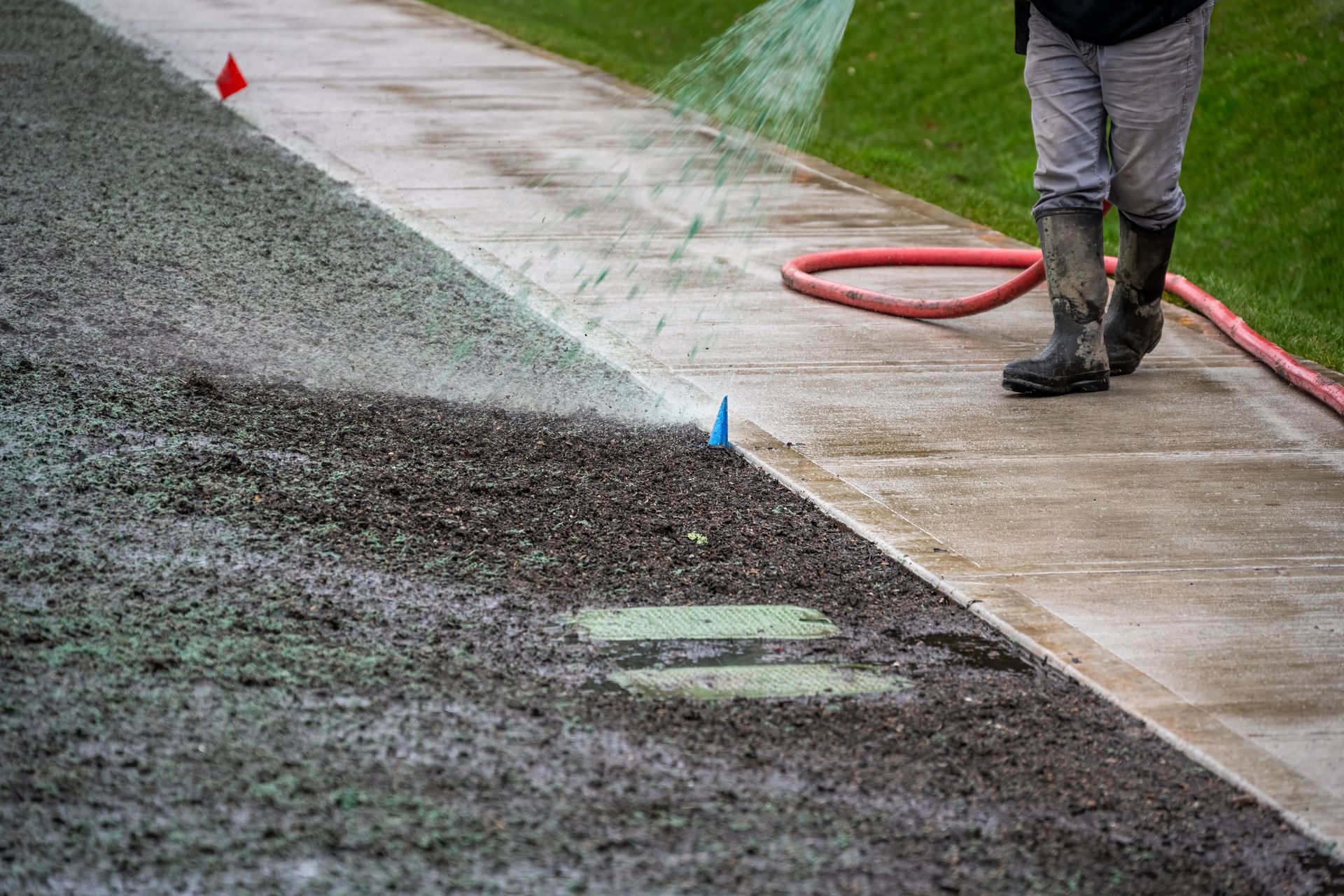
After earthworks or site clearing, bare ground can quickly become vulnerable to erosion, especially during periods of heavy coastal rain. Hydromulching is an effective way to establish vegetation quickly across disturbed areas and stabilise the soil surface. Environment Restoration Solutions provides professional hydromulch in Port Macquarie to help construction companies, councils and landowners restore ground cover after development work.
The process involves applying a carefully mixed slurry of mulch, seed and nutrients that forms a protective layer across the soil. This helps retain moisture, improve seed germination and reduce soil loss while vegetation becomes established. Hydromulching works particularly well across slopes, large open sites and areas that are difficult to seed using traditional methods. As the vegetation grows, plant roots strengthen the soil and provide longer-term stability. Many local projects rely on hydromulching to restore land quickly after construction activity.
To arrange reliable hydromulch in Port Macquarie, contact our team on 0400 525 426.
Frequently Asked Questions
Why is ground cover important for protecting newly disturbed soil?
Ground cover plays an important role in protecting soil that has been disturbed by construction or land clearing. Without vegetation or protective cover, rainfall can easily dislodge soil particles and carry them away as sediment. This process can lead to erosion, reduced soil quality and impacts on nearby waterways. Ground cover helps absorb the force of rainfall and slows the movement of surface water across the land. As vegetation establishes, plant roots help hold the soil together and strengthen the ground structure.
What environmental advantages can hydromulching provide on large disturbed areas?
Hydromulching offers several environmental advantages when restoring large areas of disturbed land. It helps establish vegetation quickly, which reduces the risk of erosion and sediment movement during rainfall. The mulch layer also helps retain soil moisture, supporting early plant growth in challenging conditions. As vegetation develops, the ground becomes more stable and better protected from further degradation. Restoring plant cover across large areas can also improve habitat conditions and support the recovery of local ecosystems.
How can hydromulching help stabilise soil after construction activity?
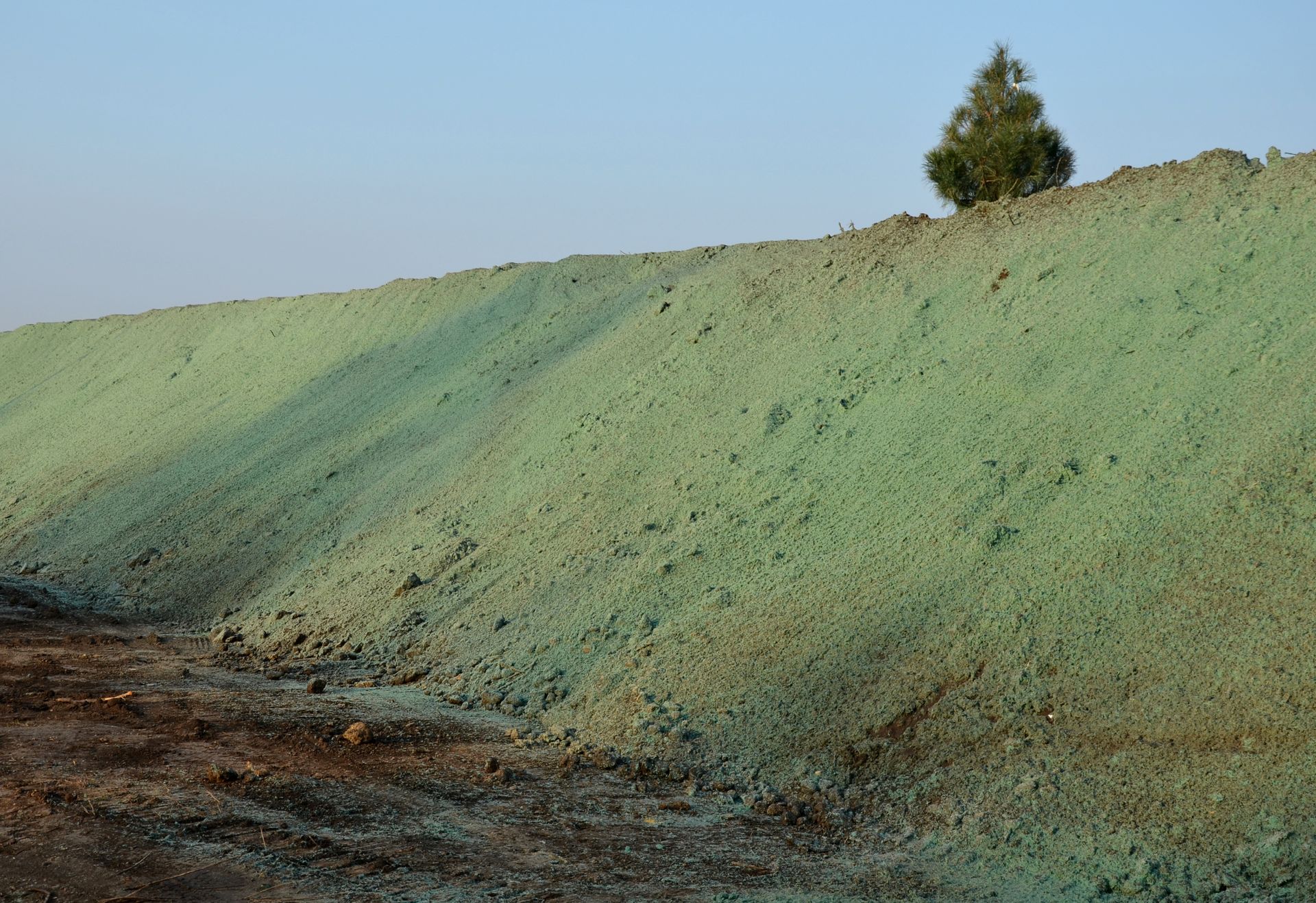
Hydromulching helps stabilise soil by creating a protective layer over exposed ground immediately after construction work. The mixture of mulch, seed and nutrients forms a blanket that reduces rainfall impact on the soil surface. This protection slows the movement of water and helps prevent loose soil from washing away. As seeds germinate and vegetation grows, plant roots begin reinforcing the soil structure. Over time, this developing vegetation helps strengthen the land and reduce the likelihood of erosion.
Stabilising Soil Through Vegetation
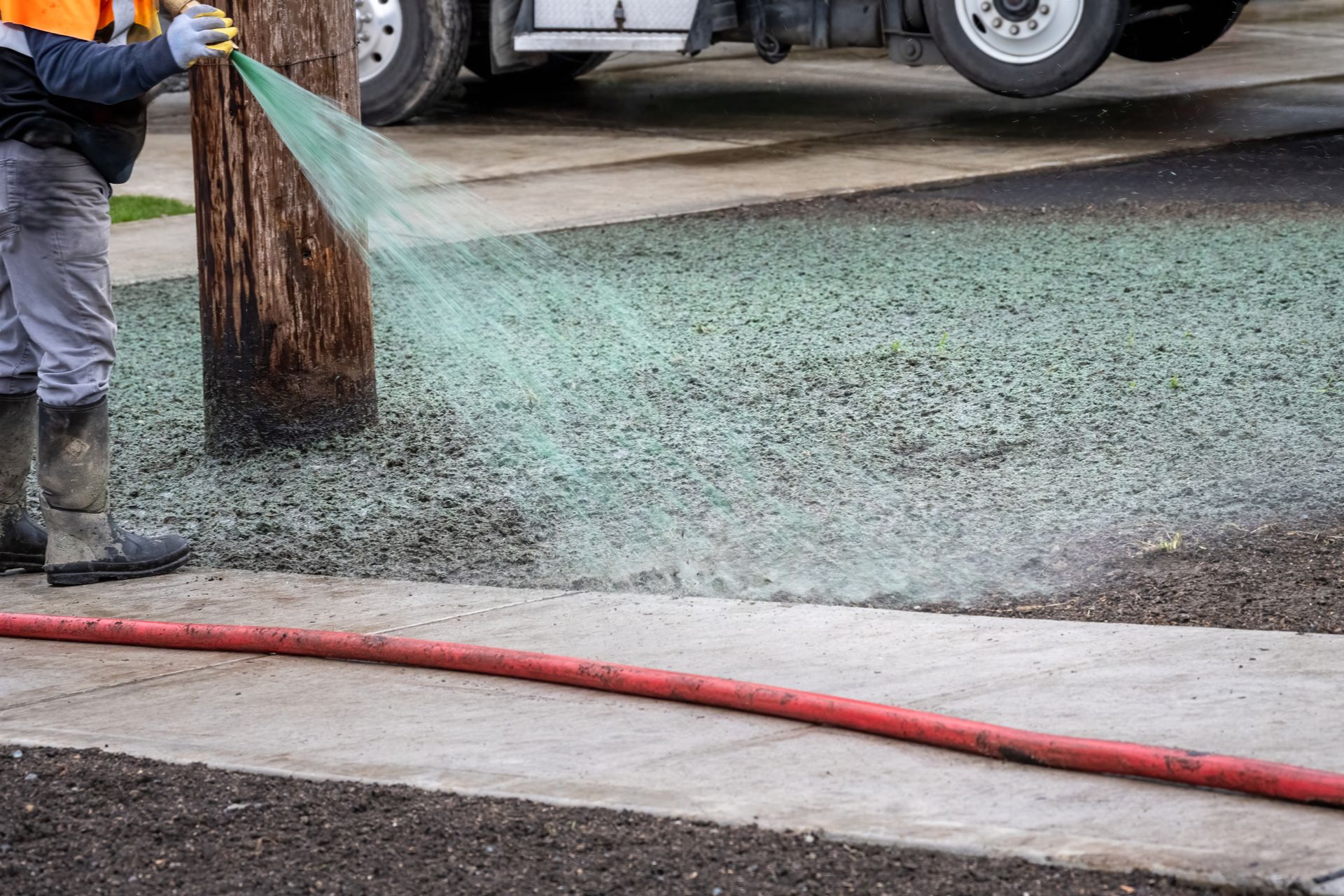
Vegetation plays an important role in protecting soil and improving long-term land stability. Hydromulching helps achieve this by applying a protective mulch layer that shields the soil from rainfall impact and slows surface water movement. This protection allows seeds to germinate in more stable conditions, supporting consistent plant growth across the site. Once vegetation becomes established, root systems begin binding the soil together and strengthening the ground surface.
Hydromulching can also improve soil moisture retention during the early stages of plant growth. This makes it particularly useful for exposed construction areas and restoration sites around Port Macquarie. The spray application allows large areas to be treated quickly and evenly using specialised equipment. As vegetation develops, the ground becomes more resistant to erosion and sediment movement. Hydromulching provides a practical solution for restoring vegetation while protecting disturbed land across the region.