Hydromulching in Coffs Harbour
Get a FREE Quote in Coffs harbour
Thank you for contacting Environment Restoration Solutions.
We will get back to you as soon as possible.
Oops, there was an error sending your message.
Please try again later.
Environmental care & practical earthworks solutions.
Fast Ground Cover Solutions
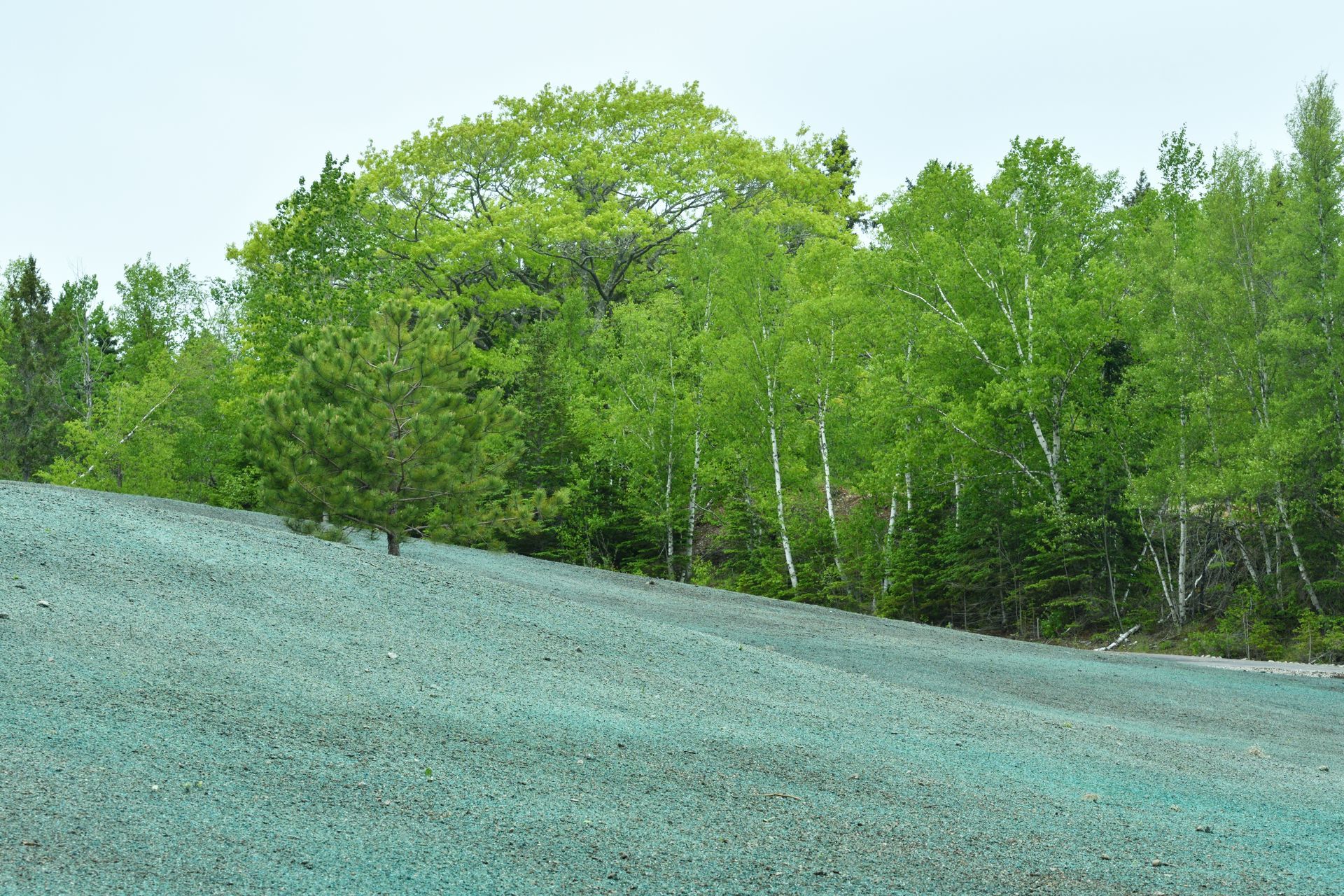
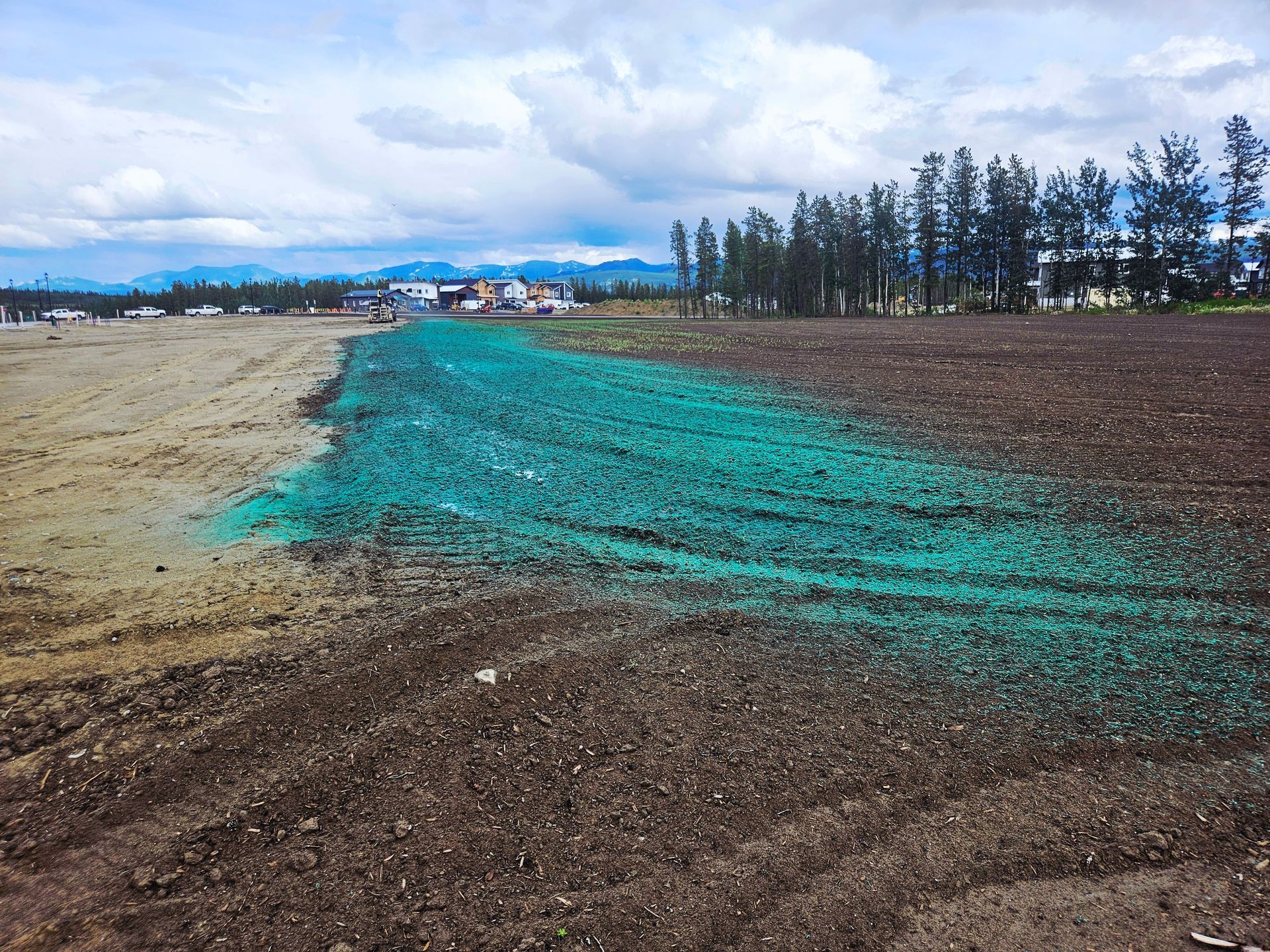
Bare soil can quickly become a problem on construction or restoration sites, especially when rain or wind begins to move exposed ground. Our hydromulch in Coffs Harbour helps stabilise disturbed land by establishing vegetation quickly and efficiently. Hydromulching applies a mixture of mulch, seed and nutrients across the soil surface, creating a protective layer that supports rapid plant growth. This approach helps reduce erosion, control dust and improve moisture retention across large areas.
At Environment Restoration Solutions, we work with construction companies, councils and landowners who need practical land stabilisation after earthworks or site clearing. Hydromulching is particularly effective on slopes, open construction areas and restoration sites across the Coffs Harbour region. Our team uses specialised equipment to distribute the mixture evenly across the ground, supporting consistent vegetation coverage. The result is faster ground stabilisation and improved soil protection.
For reliable hydromulch in Coffs Harbour, contact us on 0400 525 426 to discuss your project.
Frequently Asked Questions
Why is hydromulching often used after earthworks or land clearing?
Earthworks and land clearing often leave soil exposed and vulnerable to erosion. Without vegetation or ground cover, rainfall and wind can quickly remove loose soil from the surface. Hydromulching helps address this by applying a protective layer of mulch, seed and nutrients that supports rapid vegetation growth. This protective layer helps retain moisture and stabilise the soil while plants establish. Once vegetation begins to grow, root systems help hold the soil in place and improve long term land stability.
What site conditions influence the success of hydromulching treatments?
Several site conditions can affect how well hydromulching performs after application. Soil type plays an important role, as some soils retain moisture better and support seed germination more easily. Slope and terrain can also influence success, since steeper areas may experience greater water runoff. Rainfall patterns and climate conditions can impact how quickly vegetation establishes. The level of soil preparation before application can also affect results, as properly prepared ground improves seed contact with the soil.
How can hydromulching support environmental restoration projects?
Hydromulching is commonly used in environmental restoration because it helps re-establish vegetation across disturbed land. By applying seed and mulch together, the process creates a protective environment that supports plant growth. As vegetation develops, plant roots strengthen the soil and help reduce erosion. This can improve the stability of slopes, riverbanks or cleared land areas. Hydromulching also helps restore natural ground cover, which supports healthier ecosystems and encourages long term recovery of the landscape.
Stabilising Soil with Vegetation
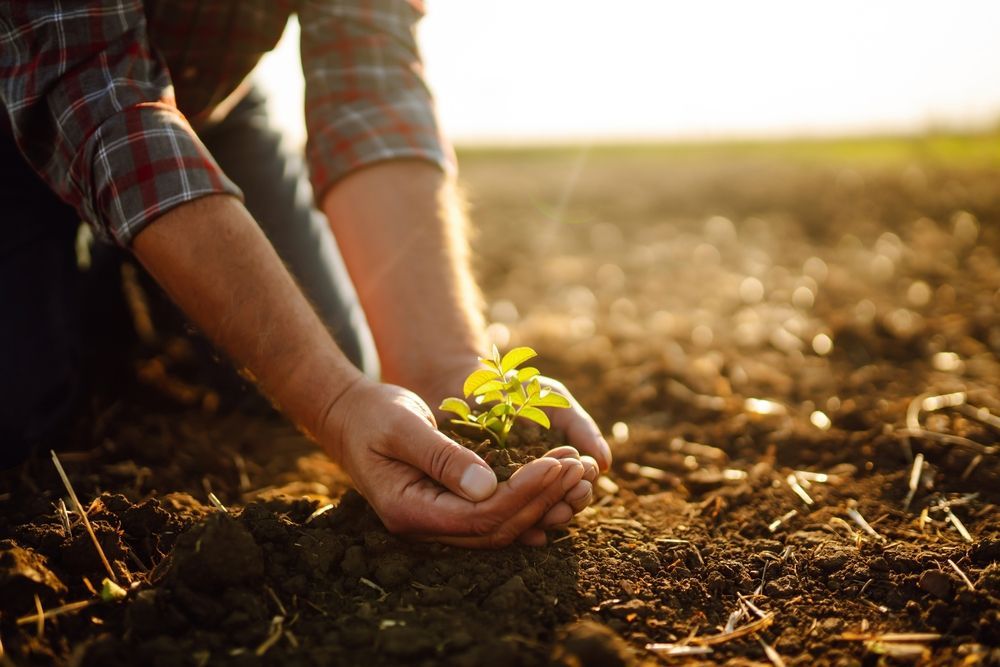
Hydromulching plays an important role in protecting soil while new vegetation becomes established. Once applied, the mulch layer shields the ground from rainfall impact and slows surface water movement across the soil. This helps prevent soil particles from washing away during heavy weather, which can be common around Coffs Harbour’s coastal climate. As seeds germinate, plant roots begin binding the soil together and strengthening the ground structure. Over time, this vegetation provides long-term stability for areas affected by construction or erosion.
Hydromulching is also a practical solution for areas that are difficult to seed using traditional methods. The spray application allows large or uneven areas to be treated efficiently. Our team focuses on creating stable ground conditions that support both environmental restoration and construction site management. Hydromulching provides a reliable way to restore vegetation while protecting exposed soil across the region.